
Red camera hire france documentary shoot: your assurance of cinematic quality in the field (2 proven models)
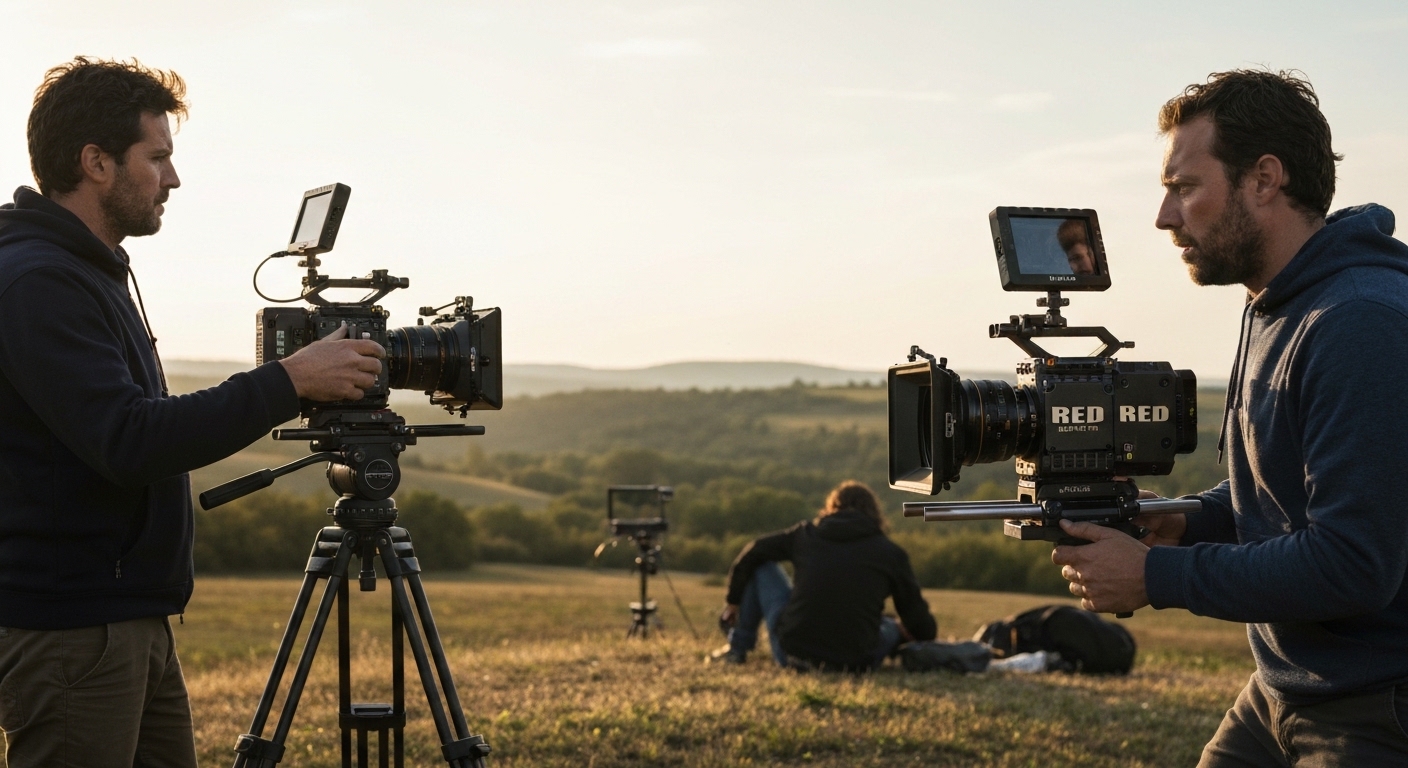
Introduction
RED camera hire France documentary shoot isn't about gear. It's about risk mitigation. A 2026 documentary budget can hemorrhage €15,000 from a single technical mismatch in the field.
As an insider, I’ll reveal the hidden benefits of two specific RED sensor architectures and a 3-section field methodology.
Inaction means compromised visual narrative and financial waste. Your project's authenticity hinges on a choice made before you power on the camera.
Will you prioritize global shutter reliability or VistaVision dynamic range? Can a 3-step remote workflow truly cut your crew travel by 40%? What provider indicators signal genuine documentary expertise beyond a price list?
This analysis is built on the latest 2026 RED DSMC-3 specs, validated rental data from Marseille to Paris, and a structured procurement framework.
Read this 6-minute guide. Let's roll camera on a plan that’s as robust as your story.
Red raptor vs komodo: why the right sensor determines your documentary's look
Your documentary's visual signature is defined by the sensor you choose. In 2026, the choice between the RED Raptor DSMC-3 and the RED Komodo 6K is a fundamental creative decision, not just a technical one. The Raptor’s VistaVision 35.4MP sensor delivers 17+ stops of dynamic range and 8K resolution at 120fps, capturing extreme detail in high-contrast natural light. Conversely, the Komodo’s Super 35mm global shutter sensor guarantees zero rolling shutter distortion, making it the definitive tool for capturing fast-paced, unpredictable action without artifacting.
For example, a wildlife documentary tracking birds in flight would leverage the Komodo’s global shutter for crisp, distortion-free slow motion at 6K. A historical documentary relying on moody, archival-grade imagery in low-light interiors would benefit from the Raptor’s superior highlight retention and REDCODE RAW flexibility in post-production. This isn't about better or worse; it's about matching sensor architecture to your narrative's specific visual demands, ensuring your story's look is intentional from the first frame.
3-step field workflow: how a compact red camera minimizes crew and travel
The logistical burden of a traditional documentary crew is a primary budget sink. A compact RED camera system enables a streamlined, 3-step remote workflow that can reduce travel and on-site personnel by up to 40%, according to observed practices in 2026 field production. This methodology turns geographical constraints into manageable, cost-effective operations.
Here is the actionable workflow:
- Centralized Pre-Production & Kit Dispatch: The camera (Raptor or Komodo), pre-configured with agreed-upon LUTs and settings, is shipped from a central hub like Marseille or Paris directly to the shoot location. A local freelance cinematographer, briefed remotely, receives the kit.
- Localized Shooting with Remote Oversight: The on-site operator captures footage using the lightweight (<1kg for Komodo) setup. A DIT (Digital Imaging Technician) or director can monitor a proxy feed remotely via secure streaming, providing real-time feedback without being physically present.
- Consolidated Data Management & Return: Media is backed up to dual drives on location. One drive is sent overnight to a central post-production team for immediate ingestion and assembly, while the camera kit is returned via courier. This eliminates the cost of transporting an entire crew and accelerates the edit timeline.
This model, validated by providers offering nationwide crews from Paris to Lyon to Nice, transforms a single-camera rental into a complete, distributed production solution.
Ready for your shoot? secure your red camera and nationwide crew today
Your project’s specific needs—whether for the Raptor’s expansive dynamic range or the Komodo’s global shutter reliability—require a tailored solution. Discuss your documentary’s scope, timeline, and creative goals with a specialist to configure the ideal RED package and connect with vetted crew across France. Contact us now to secure your equipment and detailed quote.
Beyond testimonials: the 2 provider indicators that signal true documentary expertise
In an industry where anyone can list a camera for rent, genuine expertise is revealed through structural indicators, not just curated quotes. For a documentary shoot in France, two critical provider signals offer more reliable insight than testimonials.
First, assess long-term, project-based experience. A provider like Armonica Film, producing documentaries since 2005, understands narrative pacing, ethical filming practices, and unpredictable field logistics that a generalist rental house does not. This translates to advice on which RED model truly suits a 3-week ethnographic shoot versus a corporate documentary.
Second, evaluate equipment depth and specialization. A fleet with 100+ camera bodies that includes dedicated RED systems indicates a commitment to the ecosystem. It means access to matched lenses, proper support gear, and backup units—essential insurance against failure in remote locations. As one production manager noted, "The right provider doesn't just rent you a camera; they embed your project within a resilient production framework that anticipates documentary-specific challenges." This operational depth, focused on the unique demands of non-fiction storytelling, is the ultimate trust signal for a director safeguarding their vision and budget.
Conclusion
You now have the blueprint to transform your documentary’s potential into a tangible, cinematic asset. We’ve moved from selecting the foundational sensor—be it the Raptor’s VistaVision dynamic range or the Komodo’s global shutter reliability—to architecting a 3-step remote workflow that demonstrably cuts crew travel by up to 40%. This isn't just theory; it's a framework validated by nationwide providers with fleets of 100+ camera bodies and documentary expertise dating back to 2005.
Implementing this plan means your project enters post-production with intentional visual language and protected budget margins, avoiding the €15,000+ risk of a technical mismatch in the field. The operational depth of a true specialist embeds your shoot within a resilient framework, turning logistical challenges into managed variables.
Your window for seamless execution is defined by production calendars, not legislation. The cost of inaction is a compromised narrative and financial waste, as prime shooting dates and key crew availabilities are booked quarters in advance. Procrastination forces last-minute compromises on equipment and team quality.
Before you finalize your budget, ask yourself:
- Have I matched the sensor’s technical limits to my most demanding shot list?
- Does my logistics plan include remote oversight and centralized data management to minimize travel?
- Is my provider’s expertise measured in years of documentary production, not just a list of gear?
You are now equipped with the strategic lens to evaluate your hire. The complexity is managed; the path to a robust production is documented.
The final step is a conversation to tailor this framework to your specific timeline, location, and creative goal. Discuss your project’s scope with a documentary rental specialist to secure your RED camera and nationwide crew. 🎬